




MarTech
PDS builds and manages marketing technology stacks for B2B companies — so your CRM, campaigns, dashboards, and automation tools all work together as one connected system.
Is Your Marketing Technology Costing You More Than it is Delivering?
- How can you continuously gain visibility of your sales pipline?
- How to bring targeted leads, not just any lead, into your sales funnel?
- How to create a centralized dashboard to manage, store and run your campaigns?
- How can you optimize and integrate your marketing softwares/tools and save on subscriptions?
- What would it look like to use automation to free up employee time while 2X your sales leads?
What Marketing Technology Does Your Business Actually Need?
To run your marketing efficiently, it is essential to invest in:
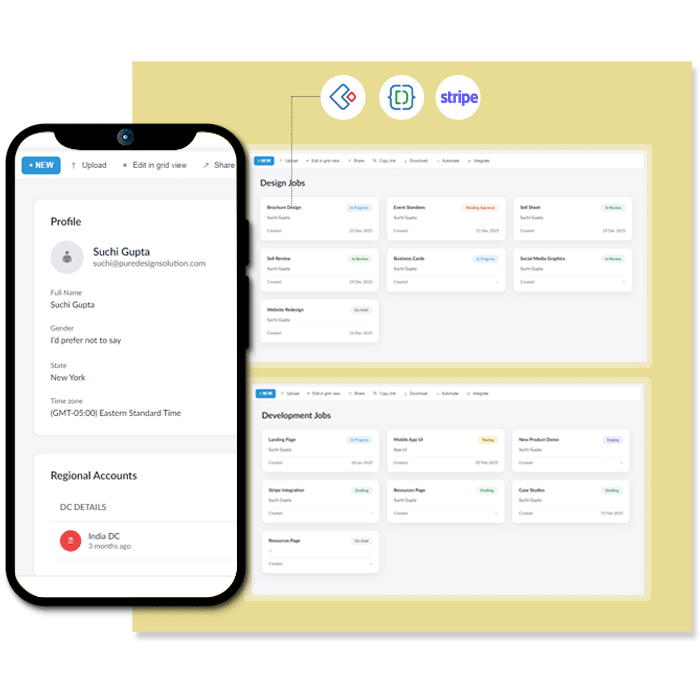
CRM AND LEAD GENERATION
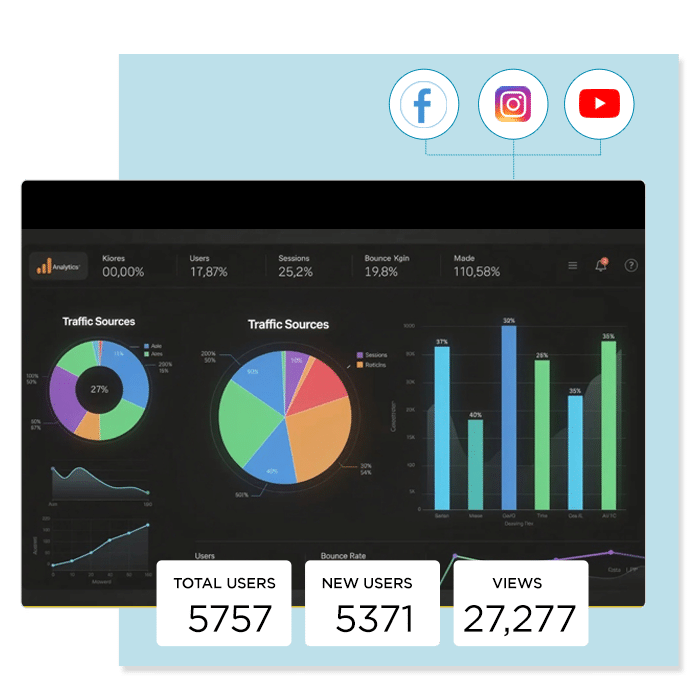
TRACKERS & DASHBOARDS
MARKETING AUTOMATION
Simply the repetitive tasks and buy back time. With the help of MarTech, you can connect all your marketing platforms into one, allowing your marketing team to be organized and efficient.
Client Hub
Looker Studio
How Does PDS Build a MarTech Stack for Your Business?
Step 1 — Stack Audit (Weeks 1–2): We review every tool you currently use for marketing, sales, and customer communication. We identify what is working, what is redundant, and what is missing.
Step 2 — Platform Selection and Setup (Weeks 3–6): Based on your business size, budget, and goals, PDS recommends and implements the right combination of platforms. For most B2B companies, this means a CRM (Zoho or HubSpot), an email automation tool, a social scheduler, and a real-time performance dashboard.
Step 3 — Integration and Data Migration (Weeks 4–8): We connect your platforms so data flows automatically between them. Leads from your website go into your CRM. Campaign performance flows into your dashboard. Your sales team sees everything in one place.
Step 4 — Training and Handoff: We train your team to use the stack independently and stay available as your ongoing MarTech partner for updates, troubleshooting, and scaling.
PDS has implemented MarTech stacks for companies across manufacturing, construction, food production, and professional services — using Zoho One, HubSpot, Looker Studio, Google Analytics, and Stripe.
Frequently Asked Questions
What marketing technologies should a small business prioritize?
Small businesses typically benefit from CRM systems integrated with their email automation software and social media scheduler. Having a lean system will allow them to run activities efficiently, comprehend data collectively and drive action consistently.
How do I measure the ROI of marketing technology?
To measure ROI, track key performance indicators (KPIs) such as customer acquisition cost, lead conversion rates, engagement levels, and revenue growth. A well-designed full-funnel performance report is an excellent way to consolidate data from all the campaigns.
Is marketing automation worth it for small businesses?
Yes, marketing automation can save time, improve efficiency, and personalize customer experiences. Tools that automate email campaigns, social media posts, and lead nurturing can significantly benefit small businesses with limited resources.
Do I need to hire someone to manage marketing technologies?
While some tools are user-friendly, hiring or contracting a specialist can be helpful, especially if the technology is complex or the business lacks the time or expertise to manage it effectively.
What should I look for when selecting a marketing technology platform?
Consider the tool’s scalability, ease of use, cost, customer support, and how well it integrates with your existing systems. Ensure it aligns with your business goals and marketing strategy.
Will marketing technologies help me stay competitive?
Absolutely. By automating processes, analyzing customer data, and improving communication, marketing technologies help small businesses stay competitive, streamline their operations, and make data-driven decisions.
How can marketing technologies help me understand my customers better?
CRM systems, analytics tools, and social media platforms provide insights into customer behaviors, preferences, and engagement, enabling you to tailor marketing efforts to better meet customer needs.